The Hidden Connectivity Gap Behind Machine Vision, Sensors, and AI at the Edge
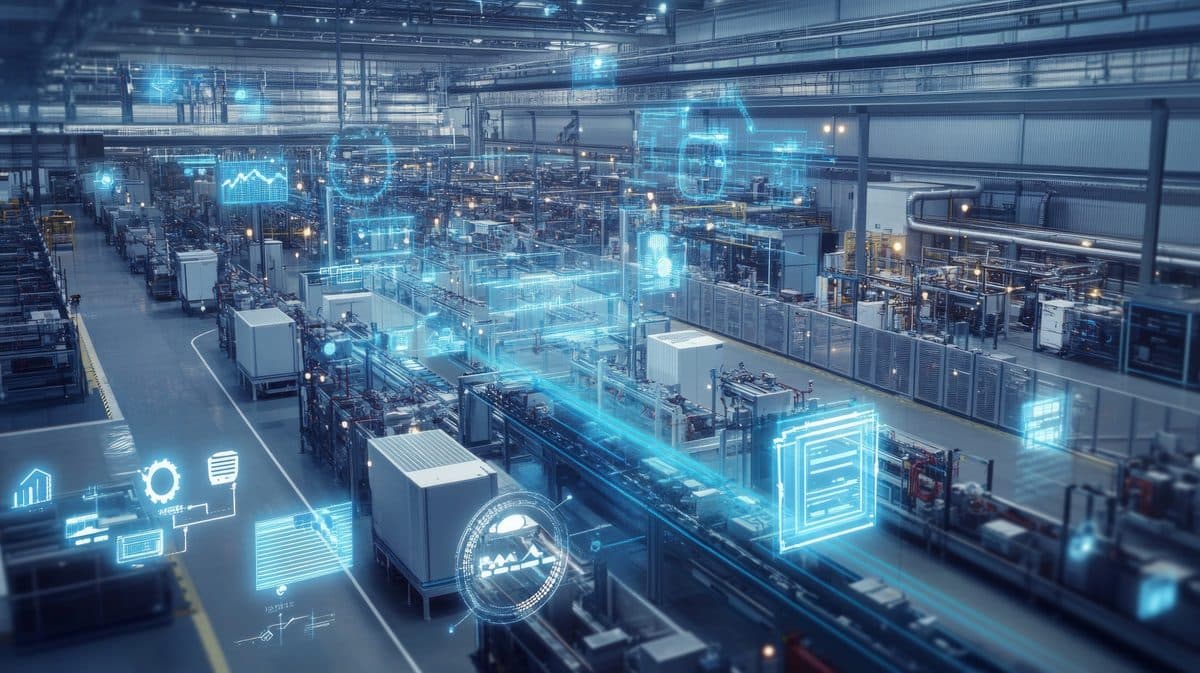
Manufacturers are investing heavily in machine vision, sensors, edge compute, predictive maintenance, connected worker tools, and AI-enabled production systems.
The promise is clear: better quality, earlier issue detection, safer operations, faster decisions, and more efficient production.
But there is a hidden constraint many manufacturers encounter once these initiatives move from pilot to production: the network was not designed for this volume of devices, this amount of data, or this level of operational dependency.
Machine vision systems generate large amounts of image and video data. Sensors and condition monitoring devices create continuous telemetry streams. Edge systems need reliable connectivity to process, store, and share insights. Connected workers depend on mobile access to instructions, alerts, collaboration tools, and operational systems.
Each of these technologies may work well in isolation. The challenge begins when they all need to operate together across a live production environment.
That is where the AI Connectivity Gap in Manufacturing Operations becomes real.
Manufacturers may have the cameras, sensors, applications, analytics tools, and edge platforms ready to create value. But if the connectivity architecture cannot support real-time data movement, uptime requirements, device density, segmentation, mobility, and resilient transport, those tools cannot scale reliably.
This is not simply a bandwidth problem. It is an architecture problem.
Why AI-Enabled Manufacturing Requires a New Connectivity Architecture
Different workflows place different demands on the network. Machine vision may require high-throughput local connectivity and edge processing. Predictive maintenance may require reliable sensor connectivity across equipment and production assets. Connected worker systems may require mobility and indoor coverage. AI-enabled analytics may require secure data movement between operational systems, edge platforms, and cloud environments.
A single network layer is rarely enough. Modern manufacturing environments increasingly need a multi-layer connectivity architecture that may include industrial networking, Wi-Fi, private cellular, Cellular Wireless WAN, edge devices, site infrastructure, and operational visibility tools working together.
The important question is not: "Do we have enough network coverage?"
The better question is: "Can our connectivity architecture support the operational workflows we expect AI, sensors, cameras, and edge systems to enable?"
When connectivity is designed around operational outcomes, manufacturers can move beyond isolated pilots and support production-scale impact.
What Connectivity Transformation Enables
A production-ready connectivity foundation can support real-time quality inspection, allowing machine vision and AI-enabled cameras to identify issues faster and support better production feedback loops.
It can enable predictive maintenance at scale by helping sensors and condition monitoring systems detect equipment issues earlier and reduce unplanned downtime.
It can improve operational visibility by connecting cameras, sensors, devices, and edge systems that provide better insight into production conditions and workflow performance.
It can support safer connected workers by enabling mobile devices, alerts, and collaboration tools that help teams respond faster and coordinate more safely across the plant.
It can also create more resilient data movement, allowing operational data to move reliably across local systems, edge platforms, and enterprise environments.
The manufacturers that succeed with AI-enabled operations will not be the ones that simply deploy more connected devices.
They will be the ones that design the connectivity foundation required to make those devices useful, reliable, and scalable.
That is what Future Technologies means by connectivity transformation.
Ready to explore how machine vision, sensors, edge devices, and AI-enabled workflows could be supported in your environment?
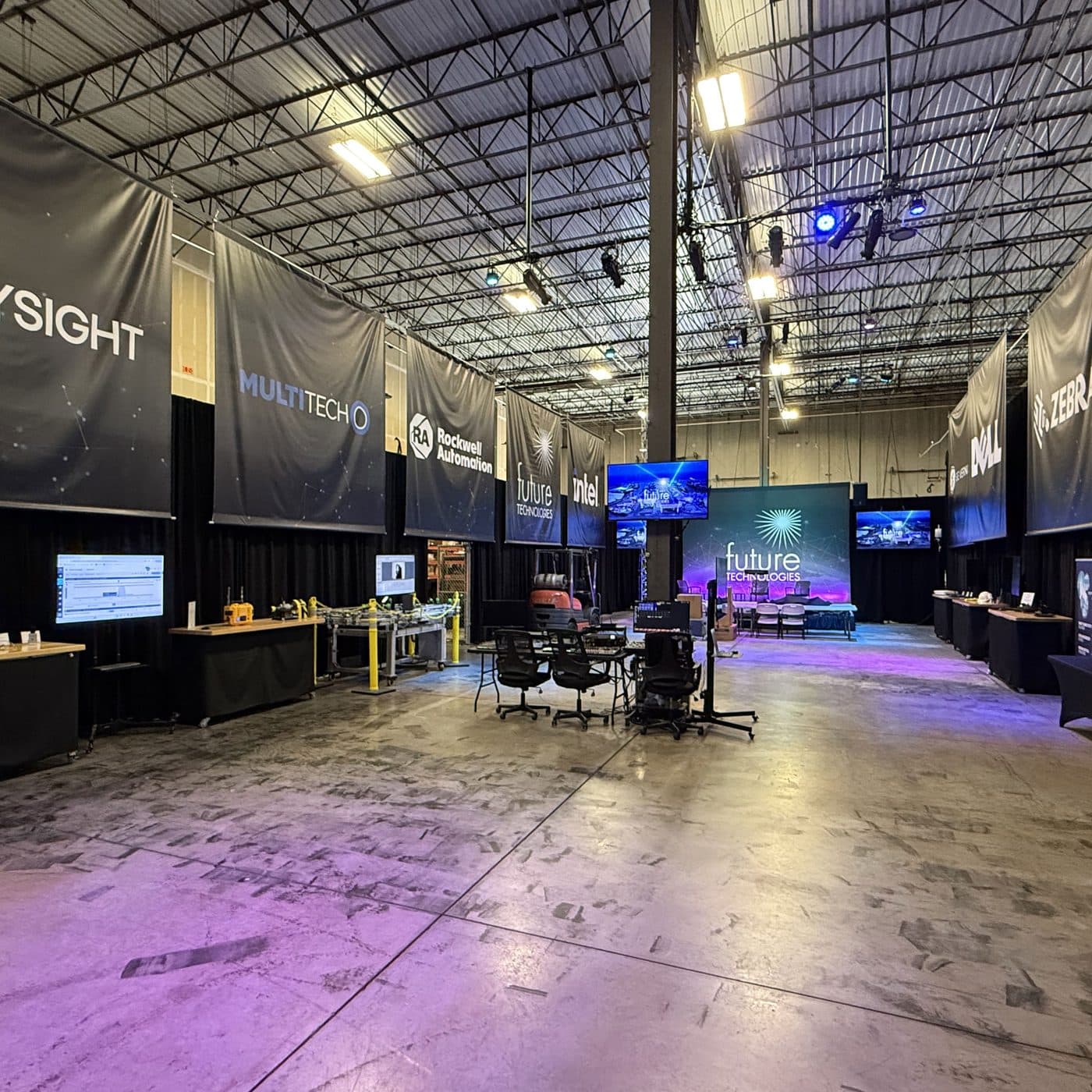
Start with a Living Lab Virtual Tour, request a conceptual design and budget for private cellular or neutral host, or explore starter solutions for private 5G and Cellular Wireless WAN.
For qualified manufacturing leaders, Future Technologies is hosting a live Living Lab event in Milwaukee this July with limited seating available. This is a unique opportunity for in-depth conversation with Future Technologies CTO Gary Hill, former CTO of Georgia-Pacific, and to see how modern connectivity architectures can support automation, mobility, edge intelligence, and operational resilience.
Join us on July 20th in Milwaukee for a Connectivity Workshop + Brewers GameReserve Your SpotReady to take the next step in your connectivity transformation journey?Contact UsKeep reading