What Warehouse Leaders Learn After Automation Goes Live
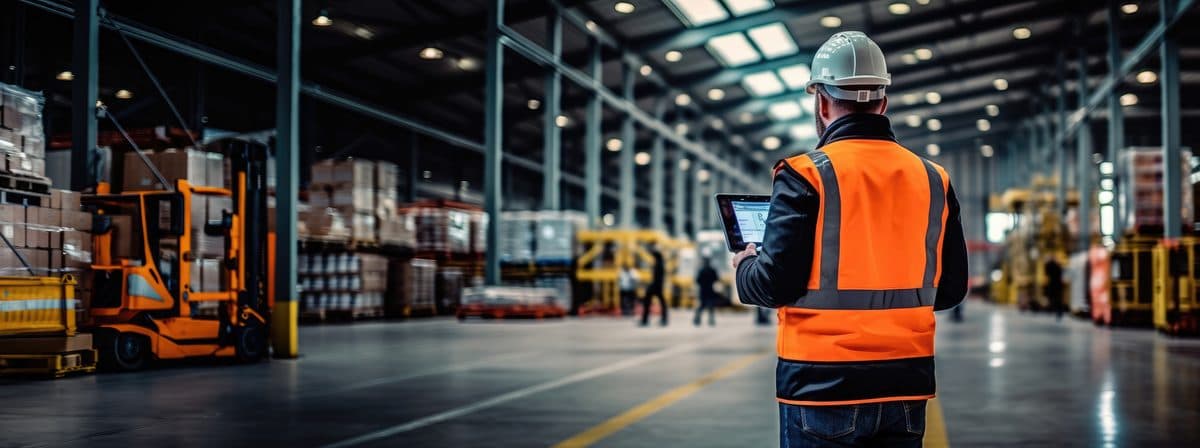
Warehouse and distribution operations are becoming more connected, more mobile, and more data-driven than ever before.
AMRs, scanners, connected forklifts, yard systems, wearable devices, AI-enabled cameras, inventory tracking systems, and edge platforms are all helping operators improve throughput, visibility, and labor efficiency.
But as these initiatives expand, many organizations discover something unexpected:
The operational challenge is no longer just automation.
The challenge is keeping everything connected reliably across the entire operational environment.
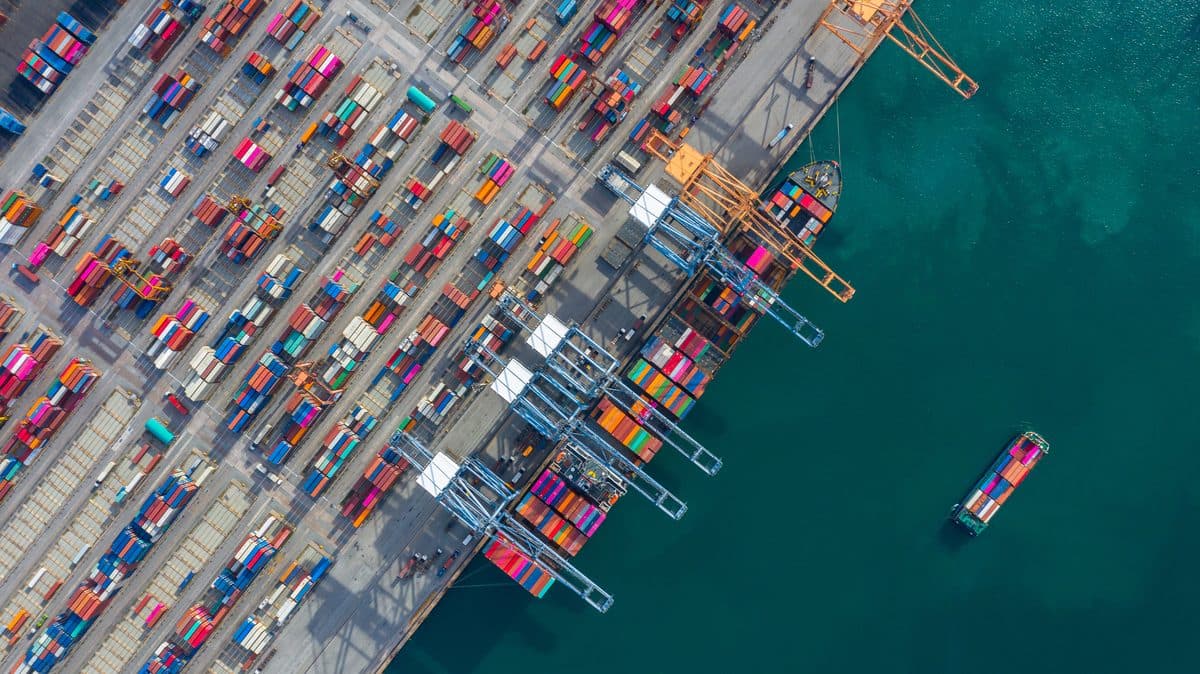
A warehouse is no longer a single indoor facility with static workflows. Modern operations often include warehouse floors, dock areas, yards, fleet operations, staging zones, temporary overflow areas, mobile workers, outdoor equipment, and distributed facilities operating together as one connected system.
That creates a much more complex connectivity environment than traditional enterprise wireless networks were designed to support.
Mobility Changes Everything
In older warehouse environments, many workflows were relatively fixed.
Today, mobility is central to warehouse and distribution operations.
AMRs move continuously across aisles and work zones. Forklifts and yard tractors transition between indoor and outdoor environments. Workers depend on handhelds, tablets, voice systems, and wearables throughout the day. Cameras and sensors generate continuous operational data streams. Yard operations require visibility into trailers, gates, and mobile assets spread across large outdoor areas.
Each of these workflows depends on reliable connectivity.
And unlike office environments, warehouse operations often cannot tolerate interruptions without operational impact.
A brief connectivity drop may cause an AMR to pause unexpectedly, a scanner to fail during picking, inventory updates to be delayed, a yard system to lose visibility, a gate process to slow down, or a worker to lose access to critical operational systems.
At scale, these small disruptions accumulate into measurable operational friction.
Visibility Depends on Connectivity
Real-time inventory visibility has become a strategic requirement for many warehouse and distribution operators.
But visibility is not created by software alone.
It depends on connected scanners, sensors, RFID systems, cameras, mobile devices, edge systems, and the network infrastructure that allows operational data to move reliably across the facility, yard, and broader logistics environment.
The more organizations invest in real-time fulfillment, same-day delivery, automated picking, AI-enabled analytics, and distributed logistics workflows, the more operational dependency shifts onto the connectivity environment underneath it.
This is one of the clearest examples of the AI Connectivity Gap in warehouse and distribution operations.
The operational systems are evolving faster than the connectivity architectures supporting them.
The Warehouse Network Is Becoming Multi-Layered
This is why many organizations are moving away from thinking about connectivity as:
"The warehouse Wi-Fi network."
Instead, they are beginning to think about:
Operational connectivity architecture.
Different workflows require different connectivity layers.
Wi-Fi may continue to support localized warehouse applications and enterprise devices. Private cellular networks may provide seamless mobility for AMRs, forklifts, yard operations, and large operational areas. Cellular Wireless WAN can support temporary sites, remote yards, backup connectivity, and fleet operations. Edge devices and industrial networking can support operational visibility and local processing requirements, while rapid deployment networks may support seasonal expansion, temporary logistics environments, or overflow operations.
The goal is not to force every workflow onto a single network.
The goal is to align the right connectivity layers to the operational outcome being enabled
The Outcomes That Matter
When warehouse connectivity is designed correctly, organizations can support:
Outcome | What It Enables |
Warehouse Automation & Robotics | More reliable operation of AMRs, AGVs, robotic picking systems, and connected material handling workflows. |
Inventory Visibility & Accuracy | Faster and more reliable movement of inventory data across scanners, sensors, RFID systems, and warehouse platforms. |
Operational Mobility | Seamless connectivity for workers, forklifts, tablets, wearables, and mobile workflows across indoor and outdoor environments. |
Yard & Fleet Operations | Better visibility into trailers, yard assets, gate operations, and mobile logistics systems. |
Resilience & Business Continuity | Reduced operational disruption during outages, peak periods, temporary expansion, or infrastructure constraints. |
Operational Connectivity Is Becoming a Strategic Requirement
Warehouse operations are increasingly measured on throughput, speed, visibility, labor efficiency, and operational resilience.
Connectivity is no longer simply an IT utility supporting those operations.
It is becoming operational infrastructure.
The organizations that succeed with automation, real-time visibility, and AI-enabled logistics will increasingly be the ones that design connectivity around mobility, operational scale, edge intelligence, device density, resiliency, and evolving workflows.
That is what Future Technologies means by connectivity transformation.
See It in Action
For qualified warehouse, distribution, and manufacturing leaders, Future Technologies is hosting a live Living Lab event in Milwaukee this July with limited seating available. This is a unique opportunity for in-depth conversation with Future Technologies CTO Gary Hill, former CTO of Georgia-Pacific, and to see how modern connectivity architectures can support automation, mobility, edge intelligence, and operational resilience.
For teams not attending in person, Future Technologies also offers a Living Lab Virtual Tour to explore what modern operational connectivity could enable in your environment.
Critical Connectivity. Built Right.
Join us on July 20th in Milwaukee for a Connectivity Workshop + Brewers GameReserve Your SpotReady to take the next step in your connectivity transformation journey?Contact Us