

WWAN & WAN Edge
Reliable Wireless WAN connectivity for remote sites, fleets, field assets, and distributed operations.
Wireless WAN (WWAN) uses cellular LTE and 5G networks to connect remote facilities, vehicles, field assets, and industrial IoT devices to enterprise and operational systems. It provides primary or backup WAN connectivity where wired infrastructure is unavailable, impractical, or requires an alternative path for improved resilience.
Future Technologies designs, deploys, integrates, and supports Wireless WAN and WAN-edge solutions for mission-critical operations. Our carrier-neutral approach combines LTE, 5G, 5G RedCap, satellite, wired broadband, and other available transport technologies to deliver resilient connectivity across distributed environments.
We integrate industrial cellular routers, gateways, multi-carrier connectivity, cellular failover, security, and SD-WAN capabilities into coordinated WAN architectures designed around operational requirements rather than a single carrier or technology.
What WWAN & WAN Edge Delivers
Remote-Site & Branch Connectivity
Primary or backup Wireless WAN connectivity, including cellular fixed wireless access, for remote facilities, substations, well sites, branch locations, and other distributed operations where wired infrastructure is unavailable, impractical, or insufficiently resilient.
Industrial IoT & Remote Assets
LTE, 5G, and 5G RedCap routers and gateways connecting sensors, telemetry devices, remote terminal units (RTUs), monitoring systems, and other distributed operational assets.
Fleet & Mobile Connectivity
Cellular WAN-edge solutions providing reliable connectivity for service vehicles, field crews, mobile operations, and connected fleets requiring access to applications, telemetry, and operational information.
Multi-Carrier Failover & Multi-WAN Resilience
Integration of multiple cellular carriers, satellite, wired broadband, and other available WAN connections with routing, path selection, and automatic failover to improve network availability and operational continuity.
WAN Edge & SD-WAN Integration
Integration of industrial WAN-edge routers and gateways with SD-WAN, security, traffic management, and centralized monitoring capabilities to improve network control and visibility across distributed sites.
Network Management & Lifecycle Support
Centralized device configuration, network monitoring, firmware management, troubleshooting, and lifecycle support to simplify the operation of distributed Wireless WAN infrastructure at scale.
What it enables
- Connectivity Across Distributed Operations: Connect remote facilities, field assets, fleets, and industrial IoT devices to enterprise and operational networks.
- Faster Site Activation: Establish primary or temporary WAN connectivity without waiting for permanent wired infrastructure.
- Improved Operational Visibility: Maintain access to critical applications, monitoring systems, and field data across geographically distributed environments.
- Greater Network Resilience: Strengthen business continuity through multi-carrier connectivity, cellular failover, and integrated multi-path WAN architectures.
- Simplified Network Operations: Improve the deployment, management, and ongoing modernization of distributed WAN environments.
Industries that rely on it

Oil & Gas
Wireless WAN connects well pads, production facilities, pipelines, compressor stations, terminals, field personnel, and remote monitoring systems across geographically dispersed operations. LTE and 5G connectivity provide primary or backup network access where wired infrastructure is unavailable or additional resilience is required.
Warehouse & Distribution
Cellular Wireless WAN supports connectivity across distribution facilities, logistics operations, temporary sites, and mobile assets. Multi-carrier WAN solutions help maintain access to enterprise applications, operational systems, and logistics information across distributed locations.
Electric Utilities
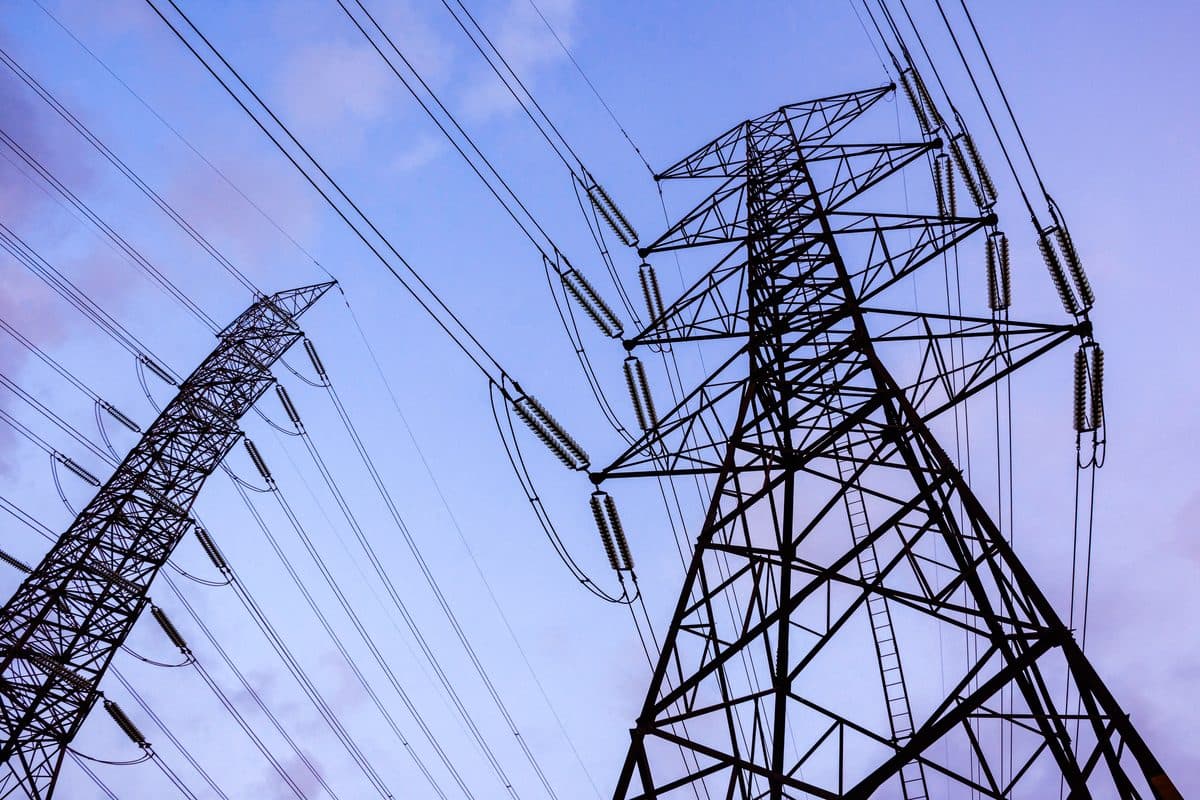
Wireless WAN connects substations, distributed energy resources, field devices, service vehicles, and remote monitoring systems. LTE and 5G WAN solutions support grid visibility, workforce connectivity, and operational continuity while providing alternative communications paths where appropriate.
Maritime Ports & Terminals
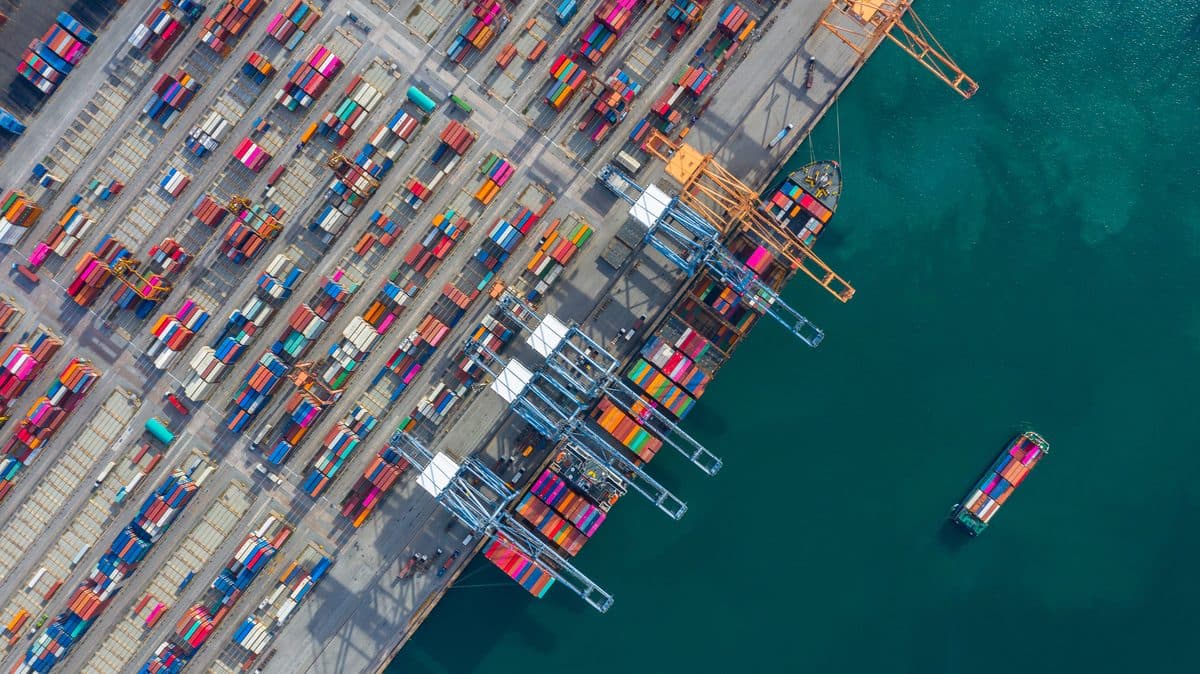
Wireless WAN provides connectivity for distributed terminal facilities, mobile operations, remote assets, and operational systems across complex port environments. Cellular WAN and multi-carrier architectures support communications where wired connectivity is impractical or additional network resilience is needed.


Common Questions About Wireless WAN & WAN Edge
What is cellular Wireless WAN?+
Cellular Wireless WAN (WWAN) uses LTE and 5G networks to connect remote sites, vehicles, field assets, and industrial IoT devices to enterprise and operational systems. Wireless WAN can provide primary connectivity, backup internet access, or mobile communications. Industrial routers and gateways can support multiple carriers, centralized management, and automatic failover.
What is 5G RedCap and why does it matter?+
5G Reduced Capability (RedCap) is a 5G technology designed for devices that need a balance of connectivity performance, cost, and power consumption. It supports certain industrial IoT, monitoring, and connected-device applications that do not require the full capabilities of conventional 5G devices. RedCap expands the range of devices that can connect over 5G networks as compatible infrastructure and equipment become available.
What is a dual-carrier network for Wireless WAN?+
A dual-carrier Wireless WAN network uses connectivity from two cellular carriers to improve network availability. Compatible routers or gateways can monitor connection performance and automatically switch traffic to an alternative carrier when the primary connection fails or degrades. Dual-carrier connectivity can reduce dependence on a single cellular provider, although resilience depends on coverage, network diversity, equipment configuration, and failover design.
Put WWAN & WAN Edge to work in your operation.
Every network has its purpose. Start with a Living Lab tour or a conceptual design and we will map your priorities to the right combination of layers.