
Private 5G for Manufacturing: More Familiar Than You Think
A practical look at when private 5G and private LTE networks make sense for manufacturing, and how to evaluate fit before committing.
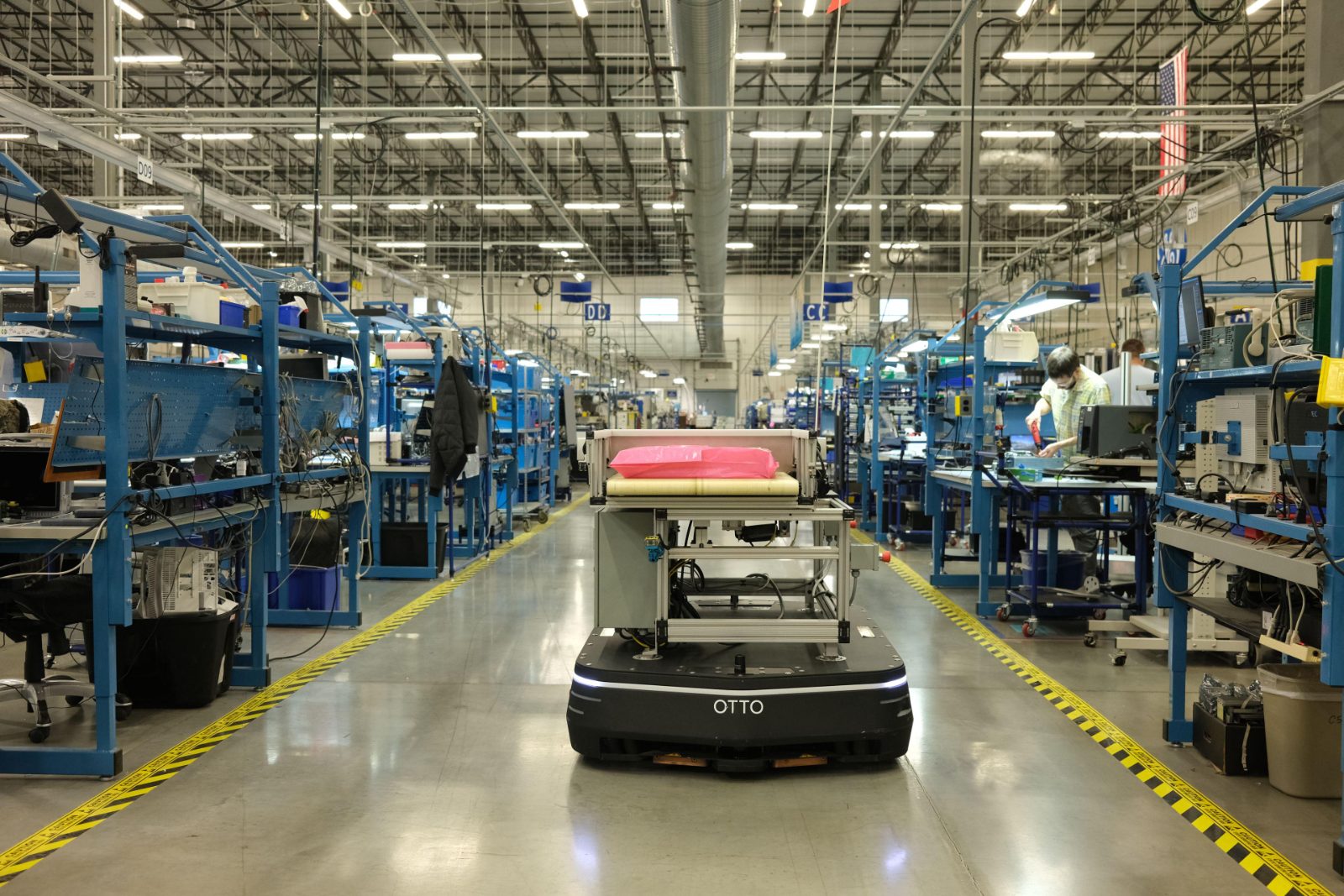
The biggest challenge with private 5G networks for manufacturing isn't deciding whether the technology is interesting. It's determining whether it's the right connectivity solution for your operation.
Private cellular networks have moved well beyond being an emerging concept. As manufacturers modernize operations through automation, connected workers, autonomous mobile robots (AMRs), AI-enabled applications, and warehouse modernization, private 5G and private LTE networks are becoming increasingly important technologies to evaluate.
For many organizations, the question is no longer whether private cellular deserves consideration. It's where private wireless networks have the potential to deliver better operational outcomes than existing connectivity technologies.
For manufacturers evaluating private cellular for the first time, the technology can feel unfamiliar. Terms such as SIMs, spectrum, Citizens Broadband Radio Service (CBRS), private LTE, and private 5G can make it seem like an entirely different networking environment. The reality is more familiar than many organizations expect.
When Should Manufacturers Consider a Private 5G Network?
At Future Technologies, we believe industrial connectivity decisions should begin with the operation, not with a preferred technology.
A private 5G network is a cellular network designed to provide dedicated wireless connectivity within a defined environment, such as a manufacturing facility, warehouse, or industrial campus. Private LTE networks offer a related approach using LTE technology. Both can support operational applications that require reliable connectivity, particularly across large facilities or environments with mobile equipment and connected devices.
Manufacturers may consider private cellular networks when evaluating:
- Mobile equipment and robotics: supporting connectivity for autonomous mobile robots (AMRs), connected vehicles, and other moving assets.
- Warehouse and facility modernization: extending reliable wireless connectivity across large or complex operational environments.
- Connected workers and industrial devices: supporting communications between personnel, equipment, and operational systems.
- Operational efficiency: evaluating whether improved wireless mobility, coverage, or reliability could reduce connectivity related disruptions.
- Industrial network modernization: determining how private wireless can complement existing Ethernet, Wi-Fi, and other industrial networking solutions.
Private cellular should be evaluated as one component of an end to end Operational Connectivity Architecture, not as a standalone solution. For some manufacturing applications, private 5G or private LTE may be the right choice. For others, industrial Wi-Fi, Ethernet, or another connectivity technology may be more appropriate. The objective is to identify which technology, or combination of technologies, best supports the operational requirements and business outcomes of the facility.
How Do Private 5G Networks Compare to Traditional Enterprise Networks?
One reason manufacturers hesitate to explore private cellular is the perception that it requires an entirely new approach to network management.
Historically, enterprise IT organizations have relied on mature management platforms to monitor connected devices, maintain network visibility, apply security policies, and manage Ethernet and Wi-Fi environments throughout their lifecycle. Private cellular solutions are evolving in much the same way.
Today, a private 5G network is only one component of a complete industrial connectivity solution. Enterprise management platforms are emerging that provide the device visibility, asset management, and security capabilities organizations have come to expect from their existing networks. For example, OneLayer Bridge provides Zero Trust security and asset management capabilities for IoT and other devices connected to private LTE and private 5G networks.
These capabilities help organizations extend familiar enterprise management practices into cellular connected environments rather than requiring an entirely separate operational model. While private cellular and Wi-Fi use different technologies, manufacturers can evaluate both within a broader industrial networking strategy. The technology may be different, but the way organizations manage and operate these environments is becoming increasingly familiar.
What Does a Complete Private Cellular Network Solution Include?
A successful private cellular deployment involves more than installing a private 5G or private LTE network. Manufacturers must also consider how the network integrates with existing industrial infrastructure, how connected devices will be managed, and how the solution will be supported throughout its lifecycle. This requires an approach that brings together connectivity, device visibility, security capabilities, and systems integration.
Ericsson: Private 5G and Cellular Wireless WAN
Ericsson provides Private 5G and Cellular Wireless WAN solutions designed to enable secure, resilient operational connectivity across manufacturing and warehouse environments. These technologies help organizations evaluate connectivity options for industrial mobility, connected equipment, and distributed operational applications.
OneLayer: Device Visibility and Security
OneLayer complements private cellular networks with device visibility, Zero Trust security, and asset management capabilities. These capabilities help manufacturers understand which devices are connected to their private cellular environment and apply appropriate management and security policies.
Future Technologies: Industrial Connectivity Design and Integration
Future Technologies brings these capabilities together through an advisory led approach to industrial connectivity. As a systems integrator, Future Technologies helps manufacturers evaluate, design, deploy, integrate, validate, and operate private cellular solutions within their broader operational environments.
Rather than approaching private 5G as a standalone wireless network, Future Technologies helps organizations determine how the technology fits into their existing infrastructure and long term connectivity strategy. This approach supports technology selection, cross technology integration, and lifecycle planning, helping manufacturers make informed decisions based on their operational requirements.
How Can Manufacturers Determine Whether Private Cellular Is Right for Them?
Manufacturers evaluating private 5G networks don't necessarily need to begin with a proof of concept. The first step is understanding whether private cellular has the potential to improve their operations.
That's why Future Technologies begins with a 45 minute Virtual Living Lab Workshop. The workshop starts with your operational objectives, not a product demonstration. Together, we'll discuss your business goals, current industrial connectivity environment, and where private 5G or private LTE networks may provide advantages over existing approaches.
Key considerations include:
- What operational challenges are you trying to solve?
- Where does your current wireless infrastructure fall short?
- Which applications require greater mobility, coverage, or reliability?
- How would private cellular integrate with your existing industrial networks?
- What operational improvements would justify an investment in private wireless connectivity?
If a deeper evaluation makes sense, Future Technologies can design an in person Living Lab Workshop tailored to your environment. Participants can experience Ericsson Private 5G, Ericsson Cellular Wireless WAN, and OneLayer operating together in a live environment while discussing how these technologies could support their own Connectivity Transformation strategy.
The objective isn't to promote products. It's to help your team make informed industrial connectivity decisions with confidence.
Ready to Explore Private 5G for Your Manufacturing Operation?
Private 5G and private LTE networks are becoming important technologies for manufacturers to understand, particularly as industrial operations become more connected and mobile. But adopting private cellular shouldn't begin with a technology decision. It should begin with understanding the operational outcomes you're trying to achieve.
Whether you're evaluating private wireless for manufacturing automation, warehouse connectivity, mobile equipment, or broader industrial network modernization, the right solution depends on your environment.
Critical Connectivity. Built Right.
Frequently asked questions
Not necessarily. Private cellular is one option among several, and the right choice depends on the facility's mobility, coverage, and reliability requirements. Many operations end up using private 5G or LTE alongside existing Wi-Fi and Ethernet rather than replacing them.
Enterprise management platforms are emerging for private cellular that provide similar device visibility, asset management, and security capabilities that IT teams already use for Wi-Fi and Ethernet, such as OneLayer Bridge's Zero Trust security and asset management for devices on private LTE and 5G networks.
No. Future Technologies recommends starting with a 45 minute Virtual Living Lab Workshop focused on operational objectives and current connectivity gaps, with an in person Living Lab Workshop available if a deeper evaluation is warranted.