
Why the Future Container Terminal Will Run on More Than Wi-Fi
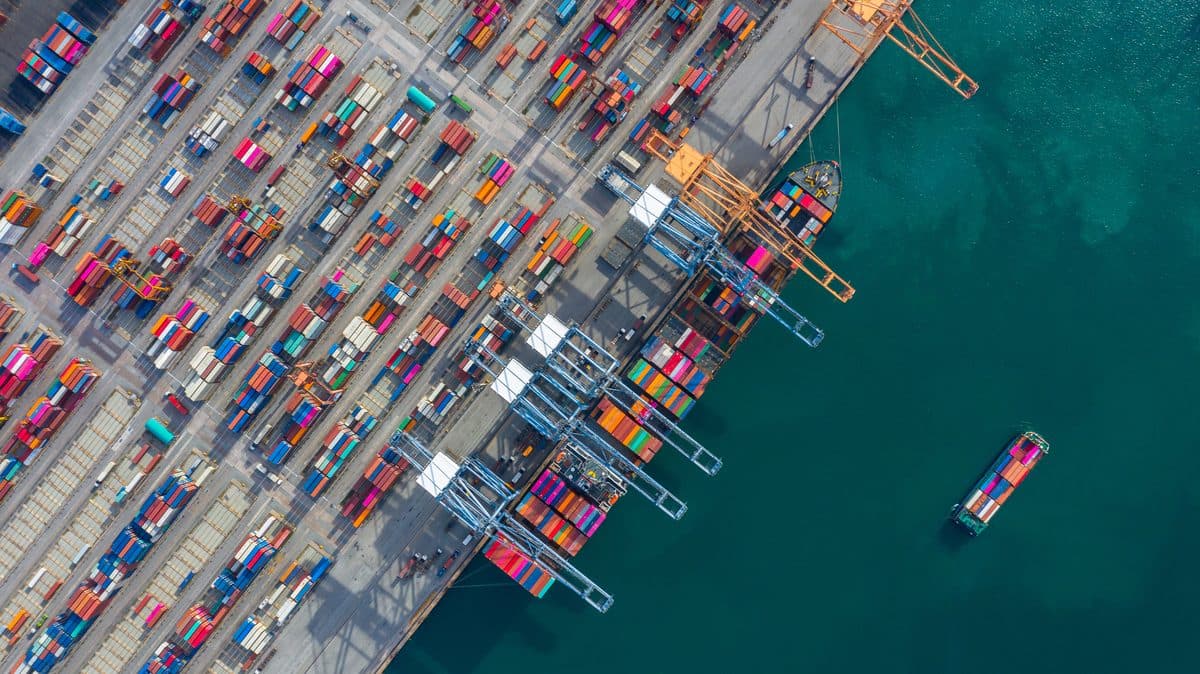
For years, Wi-Fi has been the primary wireless technology inside many port and terminal environments.
And in many operational areas, it continues to play an important role.
Wi-Fi remains effective for supporting localized operational zones, office environments, and traditional enterprise connectivity requirements.
However, container terminals are changing rapidly.
Optimization, visibility, connected equipment, edge analytics, remote operations, OCR systems, mobile workforce applications, and autonomous workflows are creating operational requirements that extend well beyond what many legacy wireless environments were originally designed to support.
As a result, terminal operators are beginning to recognize an important reality:
The future terminal will not run on one network.
It will run on a multi-layer operational connectivity architecture.
Modern Terminals Are Large-Scale Distributed Operational Environments
Today's container terminals are no longer isolated operational systems.
They increasingly function as connected ecosystems that span ship-to-shore cranes, RTGs and RMGs, container yards, gate systems, fleet operations, maintenance operations, warehouses, rail operations, logistics coordination platforms, edge computing systems, and operational visibility solutions.
Each of these workflows places unique demands on the underlying connectivity infrastructure.
Some require broad-area mobility, deterministic connectivity, resilient outdoor coverage, low latency, or support for highly mobile operational assets. Others depend on localized throughput, operational segmentation, edge processing capabilities, or temporary deployment flexibility.
No single wireless technology is optimized for every operational requirement.
That is why modern terminal connectivity architectures are becoming increasingly layered.
Different Connectivity Layers Solve Different Operational Problems
In the future container terminal:
- Wi-Fi may continue supporting localized operational workflows and office areas.
- Private cellular may support RTGs, connected vehicles, mobile workforce systems, and broad-area operational mobility across large outdoor environments.
- Cellular Wireless WAN may support temporary operations, backup connectivity, distributed operational sites, and fleet visibility.
- Fiber, microwave, fixed wireless, and satellite may support transport, backhaul, remote operations, and resilient terminal infrastructure.
- Edge devices and operational systems may support local processing, analytics, OCR platforms, and operational visibility.
- Rapid deployment connectivity, such as rapid deployment kits or portable networks, may support temporary yard operations, maintenance events, incident response, or operational expansion.
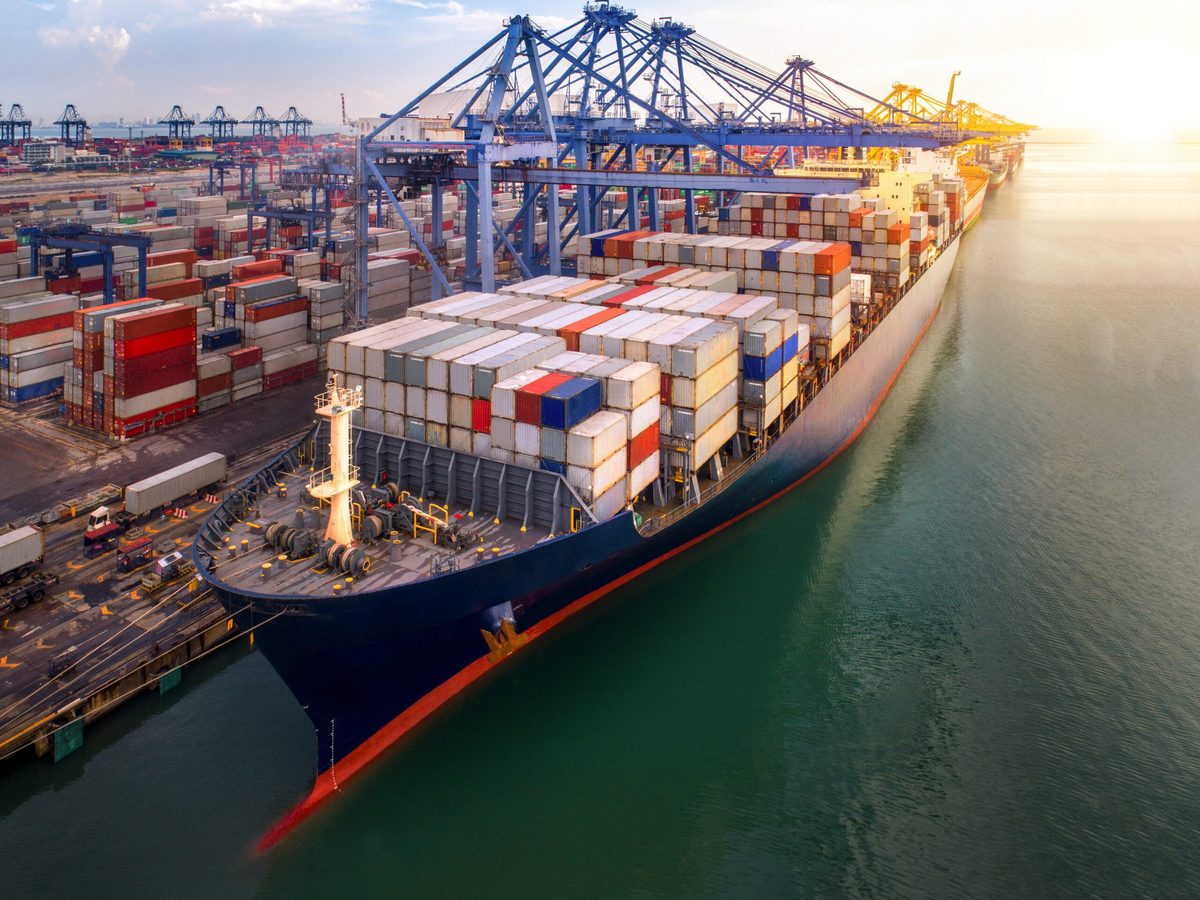
The goal is not to force every operational workflow onto a single network.
The goal is to align the right connectivity layers to the operational workflows the terminal depends on.
That is operational connectivity architecture.
Optimization Increases Dependency on Connectivity
As container terminal operations become more automated, dependency on connectivity increases significantly.
A disconnected RTG can slow yard movement. A failed OCR transaction can impact gate throughput. A dropped operational connection can affect fleet coordination. A disconnected edge system can reduce operational visibility. A network outage can disrupt cargo movement, workforce coordination, or vessel operations.
In traditional terminal environments, connectivity interruptions were often considered an inconvenience.
In modern connected terminals, they increasingly become operational events.
This fundamentally changes the strategic importance of connectivity.
The network is no longer simply supporting terminal operations.
It is becoming a critical component of the operational infrastructure required to keep cargo, equipment, workers, and operational systems moving together in real time.
Operational Connectivity Is Becoming Strategic Terminal Infrastructure
Container terminal modernization is no longer simply about deploying more optimized systems.
It is about designing the operational connectivity architecture required to support mobility, operational visibility, workflows, connected workforce operations, resilience, and future operational scale.
This is why leading operators are beginning to think less about:
"The Wi-Fi project"
and more about:
"The operational connectivity architecture required for the future terminal."
That shift is strategically important.
Because the future container terminal will not simply move more containers.
It will depend on moving more operational data, enabling more connected workflows, and supporting more real-time operational intelligence than ever before.
See It in Action
For qualified port, logistics, warehouse, and industrial operations leaders, Future Technologies is hosting a live Living Lab event in Milwaukee this July with limited seating available. This is a unique opportunity for in-depth conversation with Future Technologies CTO Gary Hill, former CTO of Georgia-Pacific, and to explore how modern connectivity architectures can support optimization, operational visibility, mobility, and resilience across complex operational environments.
For teams not attending in person, Future Technologies also offers a Living Lab Virtual Tour to explore what operational connectivity transformation could enable in your environment.
Critical Connectivity. Built Right.
Join us July 20th in Milwaukee for a Connectivity Worshop + Brewers GameReserve Your SpotReady to take the next step in your connectivity transformation journey?Contact Us