


May 28, 2026
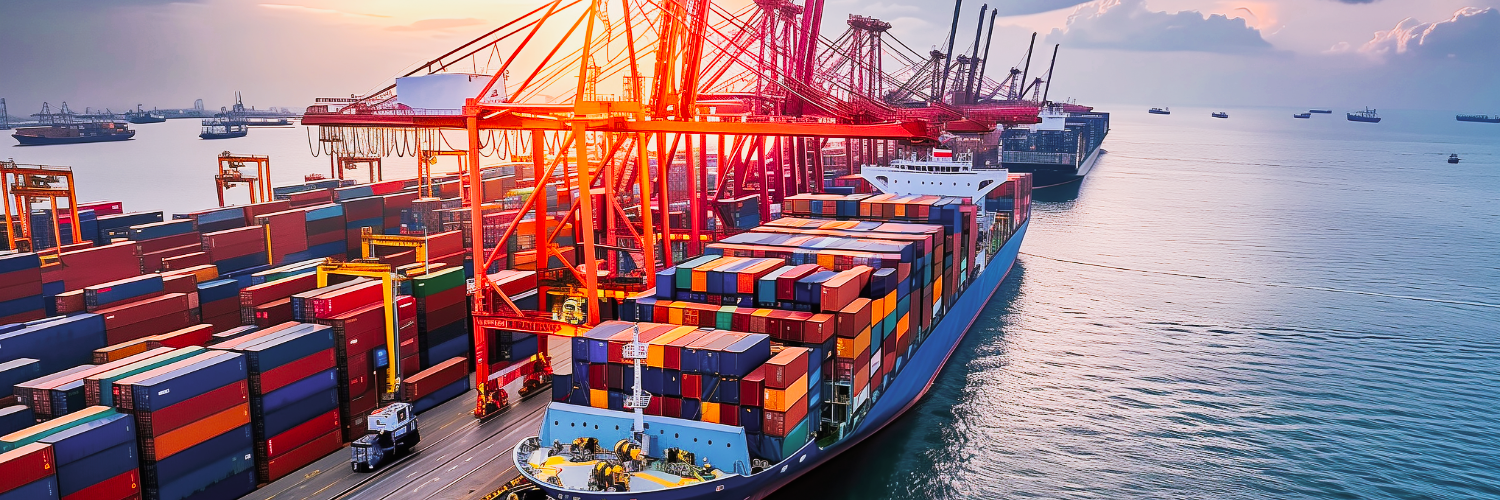
Modern container terminals are becoming highly connected operational environments where RTGs, RMGs, terminal tractors, OCR systems, gate operations, cameras, mobile workforce applications, fleet management platforms, and edge analytics solutions work together to improve throughput, operational visibility, safety, and efficiency.
As these technologies expand across the terminal environment, many operators discover an increasingly important challenge:
Maintaining reliable operational connectivity across the entire terminal.
The Terminal Is a Large-Scale Mobile Operating Environment
Container terminals are among the most demanding industrial connectivity environments in the world.
Operations are constantly moving. Equipment transitions across large outdoor areas, container stacks create continuously changing radio frequency conditions, and vehicles, cranes, and workforce systems all depend on uninterrupted connectivity. At the same time, cameras, sensors, and operational technology platforms generate persistent streams of data while maintenance teams and operators move throughout the terminal footprint.
Unlike traditional office environments, connectivity interruptions can have immediate operational consequences.
A disconnected RTG can affect yard flow. A delayed OCR transaction can slow gate throughput. A temporary outage can reduce operational visibility. A disconnected workforce device can impact maintenance coordination or safety response. A failed yard connection can disrupt equipment dispatching, fleet coordination, or container tracking.
As operational systems become more connected, container terminals become increasingly dependent on resilient mobility, real-time communications, and continuous data movement.
Real-Time Visibility Depends on Connectivity
Many terminal operators are investing heavily in real-time yard visibility, video systems, OCR automation, digital twin initiatives, fleet coordination platforms, predictive maintenance programs, and operational analytics.
However, operational visibility is not created by software alone.
It depends on connected cameras, sensors, edge devices, mobile systems, operational platforms, and the network infrastructure that enables data to move reliably across the terminal environment.
This represents one of the clearest examples of the Connectivity Gap in modern port operations.
Operational technology systems are advancing faster than the connectivity architectures supporting them.
The challenge is no longer simply collecting operational data.
The challenge is transporting, securing, processing, and maintaining visibility across highly dynamic operational environments where equipment, workers, and assets are constantly in motion.
Mobility Creates a Different Connectivity Requirement
Many legacy terminal networks were originally designed around localized wireless coverage, fixed infrastructure, and relatively isolated operational systems.
Modern terminal operations are fundamentally mobility-centric.
RTGs and terminal vehicles move continuously throughout the yard. Workforce applications require persistent coverage across large outdoor environments. OCR systems depend on fast operational response times. AI-enabled cameras generate significant volumes of operational data. Maintenance teams often operate across multiple zones, while fleet systems move between indoor facilities, outdoor work areas, and remote operational locations.
This creates a fundamentally different connectivity requirement than traditional enterprise environments.
The important question is no longer:
"Do we have wireless coverage?"
The better question is:
"Can the connectivity architecture support continuous operational mobility, visibility, and resilience across the terminal?"
That is the foundation of operational connectivity architecture.
Terminal Connectivity Is Becoming Multi-Layered
Many operators still think about connectivity primarily as the terminal Wi-Fi network.
However, the modern container terminal increasingly requires multiple connectivity layers working together to support diverse operational workflows.
Wi-Fi continues to play an important role in localized operational zones and office environments. Private cellular networks can support broad-area mobility for RTGs, terminal vehicles, connected workforce systems, and large outdoor operational areas. Cellular Wireless WAN solutions may support distributed facilities, fleet systems, temporary operations, and backup connectivity. Meanwhile, fiber, microwave, fixed wireless, and satellite technologies often provide the transport, resilience, and inter-terminal communications infrastructure needed to support port operations.
At the edge, operational devices and edge computing platforms enable localized analytics, data processing, and real-time operational visibility. Rapid-deployment connectivity solutions can also support temporary operational zones, maintenance projects, surge operations, and incident response activities.
The objective is not to standardize on a single network.
The objective is to align the right connectivity technologies with the operational workflows the terminal depends on.
The Outcomes That Matter Most
When connectivity is designed around terminal workflows, operators can better support:
|
Outcome |
What It Enables |
|
Real-Time Operational Visibility |
Better visibility into container movement, yard activity, gate operations, fleet coordination, and operational conditions across the terminal. |
|
Connected Yard Operations |
More reliable connectivity for RTGs, terminal tractors, maintenance vehicles, and connected operational systems across large outdoor environments. |
|
AI-Enabled Operational Analytics |
Support for OCR, machine vision, video, edge analytics, and operational intelligence systems. |
|
Connected Mobile Workforce |
Seamless mobility for operators, maintenance teams, security personnel, and field operations staff. |
|
Operational Resilience |
Reduced operational disruption through resilient multi-layer connectivity architectures designed for dynamic port environments. |
Operational Connectivity Is Becoming Strategic Port Infrastructure
Port modernization is no longer just about deploying automation technologies.
It is about building the operational connectivity architecture required to support mobility, operational visibility, AI-enabled workflows, resilience, and future operational scale.
The terminals that succeed will increasingly be the ones that treat connectivity as operational infrastructure rather than simply background IT infrastructure.
That shift is strategically important.
Because the future terminal will not simply move more containers.
It will move more operational data, support more connected workflows, and enable more automated decision-making than ever before.
See It in Action
For qualified port, logistics, warehouse, and industrial operations leaders, Future Technologies is hosting a live Living Lab event in Milwaukee this July with limited seating available. This is a unique opportunity for in-depth conversation with Future Technologies CTO Gary Hill, former CTO of Georgia-Pacific, and to explore how modern connectivity architectures can support automation, operational visibility, mobility, and resilience across complex operational environments.
For teams not attending in person, Future Technologies also offers a Living Lab Virtual Tour to explore what operational connectivity transformation could enable in your environment.
Critical Connectivity. Built Right.
Join us July 20th in Milwaukee for a Connectivity Workshop + Brewers Game
Reserve Your Spot
Ready to take the next step in your connectivity transformation journey?
Contact Us