


May 28, 2026

Container terminals are under increasing pressure to move more cargo, improve vessel turnaround times, reduce congestion, strengthen safety, and operate with greater efficiency.
To meet these demands, terminal operators are investing heavily in automation, connected cranes, AI-enabled video systems, OCR technologies, autonomous and semi-autonomous vehicles, remote operations, real-time yard visibility platforms, edge analytics, and connected workforce technologies. The objective is clear: improve operational flow across increasingly complex terminal environments.
However, many port modernization initiatives encounter the same hidden constraint.
The underlying connectivity infrastructure was never designed to support the level of mobility, coverage, resiliency, and operational dependency required by today's connected terminal operations.
Ports Are Among the Most Demanding Connectivity Environments in Industry
Container terminals are not traditional enterprise environments.
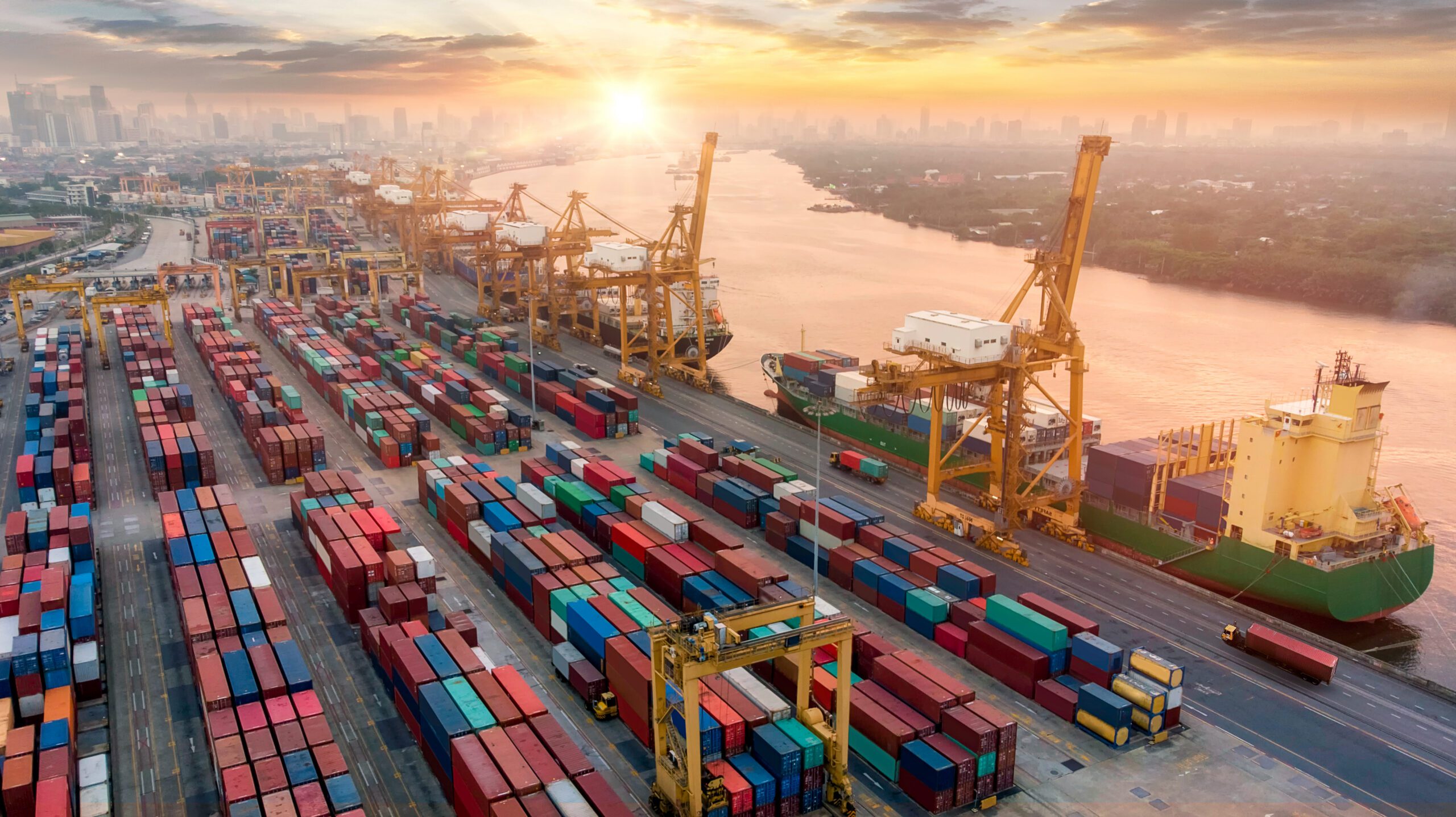
They are large-scale outdoor operational ecosystems characterized by constantly moving assets, metal-dense infrastructure, changing cargo stacks, harsh environmental conditions, wide operational footprints, and highly dynamic workflows.
A modern terminal may encompass ship-to-shore cranes, RTGs and RMGs, container yards, gate systems, maintenance operations, warehouses, rail connections, fleet vehicles, and adjacent logistics operations. Every part of this environment relies on information moving reliably between people, equipment, and operational systems.
Unlike office environments, disruptions within a terminal can directly affect throughput, vessel schedules, labor productivity, truck turn times, safety performance, and revenue generation.
This fundamentally changes the role of connectivity.
Connectivity is no longer simply supporting terminal operations. It is becoming a critical component of the operational infrastructure that keeps the terminal moving.
Mobility Is the Real Challenge
Many legacy port networks were designed around:
- localized wireless coverage,
- fixed infrastructure,
- and relatively isolated operational systems.
Modern terminal environments are increasingly mobile by design.
RTGs and terminal vehicles move continuously across the yard. Connected workers transition across large operational areas. Cameras and sensors generate constant operational data streams. OCR systems, gate operations, and AI-enabled analytics depend on reliable low-latency connectivity. Remote and semi-autonomous systems increase dependency on resilient wireless infrastructure.
This creates a fundamentally different network requirement.
The challenge is not simply: “Do we have wireless coverage?”
The challenge is: “Can the connectivity architecture reliably support continuous operational mobility across the terminal?”
That is where many automation initiatives begin to stall.
A temporary coverage gap may interrupt equipment workflows. A congested wireless environment may reduce responsiveness. A disconnected operational system may slow yard coordination. A network outage may impact visibility into cargo movement or gate operations.
As automation scales, the operational dependency on connectivity increases dramatically.
Port Connectivity Requires More Than One Network
Many terminal operators still think about connectivity in terms of a single wireless network.
Modern port operations, however, increasingly require multiple connectivity layers working together to support different operational requirements.
Wi-Fi continues to play an important role in localized operational zones and traditional enterprise workflows. Private cellular networks can support broad-area mobility for connected cranes, RTGs, terminal vehicles, and other mobile operational assets. Cellular Wireless WAN solutions may provide connectivity for distributed facilities, temporary operations, fleet visibility, and backup communications. Fiber, microwave, and fixed wireless infrastructure often serve as the transport and backhaul foundation supporting terminal operations.
At the same time, edge computing platforms and operational systems are enabling localized processing, AI-driven analytics, and real-time visibility across the terminal environment.
The objective is not to replace one network with another.
The objective is to align the right connectivity technologies with the operational workflows that drive terminal performance.
That is operational connectivity architecture.
The AI Connectivity Gap Is Expanding at the Port Edge
Container terminals are becoming increasingly dependent on automation, operational visibility, AI-enabled analytics, connected equipment, edge intelligence, and real-time operational coordination.
Yet many terminal networks were never designed to support the scale of mobility, volume of operational data, number of connected devices, or level of operational dependency that modern port environments now require.
This creates what many organizations are beginning to recognize as the AI Connectivity Gap.
Operational technology is advancing faster than the connectivity architecture supporting it.
Terminal operators that successfully close that gap will be better positioned to scale automation, improve yard flow, increase operational visibility, reduce delays, strengthen resilience, and support long-term modernization initiatives.
The Outcomes That Matter Most
When connectivity is designed around terminal operations, operators can better support:
|
Outcome |
What It Enables |
|
Automated & Connected Terminal Operations |
Reliable connectivity for RTGs, cranes, terminal vehicles, autonomous systems, and connected operational workflows across the terminal environment. |
|
Operational Visibility |
Real-time insight into container movement, yard activity, gate operations, fleet status, and operational conditions. |
|
Connected Mobile Workforce |
Seamless mobility for operators, maintenance teams, security personnel, and operational staff across large outdoor environments. |
|
AI-Enabled Operational Analytics |
Support for machine vision, OCR, video analytics, edge systems, and operational intelligence platforms. |
|
Operational Resilience |
Reduced disruption through resilient multi-layer connectivity architectures designed for dynamic operational environments. |
Connectivity Is Becoming Strategic Terminal Infrastructure
The future terminal will not simply be more automated.
It will become increasingly dependent on resilient operational connectivity to keep cargo, equipment, workers, and information moving together in real time.
That is why leading terminal operators are beginning to think less about "the wireless network" and more about the operational connectivity architecture required to support the future terminal.
That shift is strategically important.
Because in modern port operations, connectivity is no longer just IT infrastructure.
It is operational infrastructure.
See It in Action
For qualified port, logistics, warehouse, and industrial operations leaders, Future Technologies is hosting a live Living Lab event in Milwaukee this July with limited seating available. This is a unique opportunity for in-depth conversation with Future Technologies CTO Gary Hill, former CTO of Georgia-Pacific, and to explore how modern connectivity architectures can support automation, operational visibility, mobility, and resilience across complex operational environments.
For teams not attending in person, Future Technologies also offers a Living Lab Virtual Tour to explore what operational connectivity transformation could enable in your environment.
Critical Connectivity. Built Right.
Join us July 20th in Milwaukee for a Connectivity Workshop + Brewers Game
Reserve Your Spot
Ready to take the next step in your connectivity transformation journey?
Connect With Us